As a new mother, carving out time for fitness can feel almost impossible. Between feedings, naps, diaper changes, and the mental load of parenting, self-care often gets pushed to the bottom of the list. But what if your workout didn’t mean time away from your baby? What if it actually strengthened your bond?
Welcome to the world of babywearing workouts — a brilliant, body-positive, and baby-friendly way for moms to move, feel strong, and stay connected to their little one.
Why Babywearing Workouts Are a Game-Changer
Babywearing allows you to stay active while keeping your baby close and comforted. It’s not only a practical solution but also comes with a host of physical and emotional benefits for both of you:
- 1. Strengthen Your Body While Bonding – The added resistance of carrying your baby increases the effectiveness of bodyweight workouts. Movements like squats, lunges, and walking become a light resistance workout that tones and strengthens. All while your baby enjoys being close to you.
- 2. Boost Your Baby’s Development – Your baby isn’t just along for the ride! The gentle movements of babywearing help stimulate their vestibular system, responsible for balance and spatial awareness. Plus, being up close to you means more exposure to sights, sounds, and social interaction—key ingredients for cognitive growth.
- 3. Enhance Emotional Connection – Skin-to-skin and close contact encourage the release of oxytocin, the “love hormone,” which deepens the emotional bond between parent and child. You’re not just burning calories—you’re building connection.
- 4. Ease Back Into Movement Postpartum – For many moms, returning to exercise after childbirth can feel overwhelming. Babywearing workouts offer a gentle and safe way to reintroduce movement, gradually increasing intensity as your strength returns.
Safety First: Babywearing Tips for Exercise
Before diving into babywearing workouts, ensure you and your baby are set up for success:
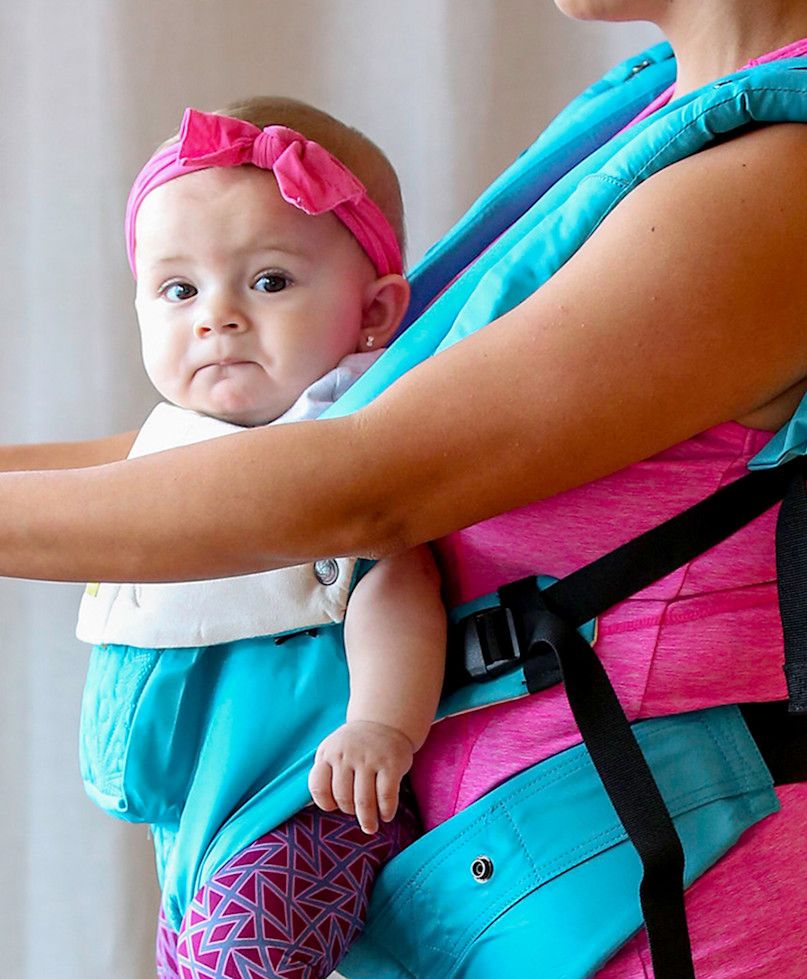
- Choose an ergonomic carrier that evenly distributes your baby’s weight across your shoulders and hips.
- Your baby should be in a natural M-shaped position with knees higher than their bum.
- Avoid high-impact movements or overhead exercises while wearing your baby.
- Prioritize your core and pelvic floor; build strength progressively and listen to your body.
- The most important rule? Know your baby and make sure you’re both enjoying the process!
Follow the T.I.C.K.S Rule for Safe Babywearing:
- Tight: Baby should be snug against you with no loose fabric.
- In View: You should always see your baby’s face.
- Close Enough to Kiss: Your baby’s head is within kissing distance.
- Keep Chin Off Chest: Ensure there’s room under their chin to prevent restricted breathing.
- Supported Back: Baby’s back should be naturally curved and well-supported.
When Can I Start Babywearing Workouts?
Whether you had a vaginal birth or a caesarean, it’s important to:
- Get clearance from your GP, midwife, or physiotherapist before beginning exercise.
- Start with gentle, low-impact movements.
- Focus on core and pelvic floor reconnection before increasing intensity.
Every postpartum journey is unique. Be kind to your body and take it step by step.
Final Thoughts
Babywearing workouts aren’t just a fitness trend—they’re a lifestyle shift for modern mothers who want to stay active while nurturing their child. With the right carrier, guidance, and mindset, you can turn everyday moments into opportunities for strength, movement, and joy.
So strap in, tune in to your body, and get ready to squat, lunge, and love your way into postpartum strength.
Want to try a babywearing workout with us? Book a 1-on-1 baby-friendly training session with a certified postpartum coach at ActiveWomenSG.
Also if you need any advice on how to correctly wear your baby carrier or make adjustments to the settings accordingly; Fion at Baby Carriers Rental SG can help you out.
 ActiveWomenSG
Leave a comment