Many women, postpartum or navigating menopause, feel frustrated when the scale doesn’t reflect their effort. But weight is only one measure. Strength, function, and body composition tell the real story.
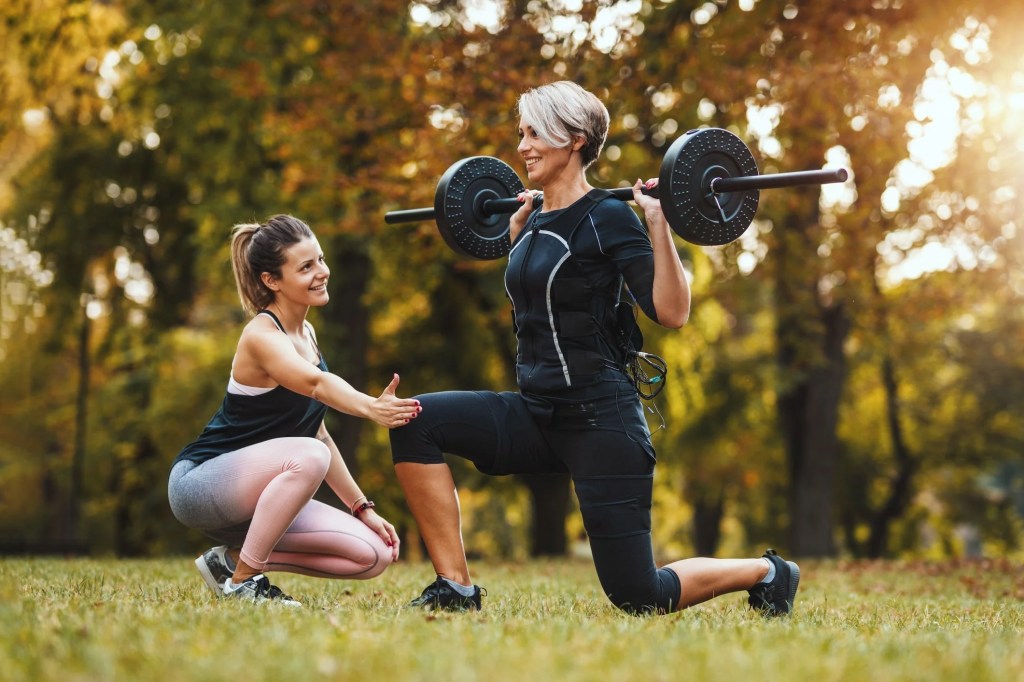
Structured strength training is the key to looking, feeling, and performing better. Even when the number on the scale doesn’t move.
1. Strength Training Builds Lean Muscle
Muscle is denser than fat; it takes up less space but weighs more.
- You may not see a lower number on the scale, but your clothes fit better.
- Your body is recomposing, replacing fat with lean, functional muscle.
- Both postpartum and menopausal bodies benefit because muscle helps regulate metabolism, maintain bone density, and support overall strength.
2. Function Matters More Than Weight
Strength training improves your daily movement, energy, and balance.
- Lifting, pushing, and carrying become easier.
- You gain functional strength, not just appearance changes.
- Postpartum: supports core, pelvic floor, and posture recovery.
- Menopause: protects joints, bone health, and metabolic function.
3. The Scale Lies: Focus on Performance Metrics
Instead of fixating on numbers, measure progress by:
- Weights lifted (increased resistance = stronger muscles)
- Reps or sets achieved
- Endurance improvements
- Clothing fit or waist/hip measurements
- Energy and recovery levels
This is far more meaningful than the scale, especially during hormonal transitions.
4. Toning is About Composition, Not Weight
“Tone” is often misunderstood. It’s muscle definition combined with lower body fat, not just losing kilos.
Strength training helps you:
- Sculpt muscles
- Burn fat more efficiently
- Improve posture and confidence
- Feel physically capable and energetic
Even if the scale doesn’t reflect it, your body is literally changing.
5. Hormonal Changes Make Strength Even More Important
Hormones affect women’s bodies differently at each stage:
- Postpartum: Fluctuating estrogen, progesterone, and prolactin can affect sleep, energy, and recovery. Strength training helps rebuild muscle, support the core, and improve mood, even during sleepless nights.
- Menopause: Declining estrogen and testosterone can lead to muscle loss, slower metabolism, and changes in body composition. Strength training preserves muscle, bone density, and functional fitness, helping you feel strong and confident.
6. Nutrition Supports Strength & Recovery
Strength training is most effective when paired with adequate nutrition. Many women, postpartum or menopausal, under eat protein or worry about calories, which can limit results. Small, strategic adjustments often make a big difference.
- Protein: Essential for muscle repair and growth. Spread protein intake across meals.
- Healthy fats: Support hormone balance and satiety, crucial postpartum and during menopause.
- Complex carbs & fiber: Fuel workouts and maintain energy throughout the day.
- Hydration & micronutrients: Support recovery, bone health, and overall wellbeing.
Nutrition isn’t about restriction — it’s about supporting strength, energy, and long-term health. Even small changes can help your body respond better to training.
7. Consistency Over the Scale
Progress is about sustainable strength and health, not a number.
- Regular, structured strength training is more effective than endless cardio or dieting alone.
- Over time, your confidence, energy, and resilience improve, and your body follows suit.
Final Thoughts
The number on the scale is just a snapshot. Strength, tone, functional fitness, and adequate nutrition are the real indicators of progress, especially for women postpartum or in menopause. Focus on what matters: consistency, strength, and feeling capable in your own body.

References & Further Reading
- ACSM: Resistance Training for Healthy Adults
- Harvard Health Publishing: Strength training: Get stronger, leaner, healthier
- WHO: Guidelines on Physical Activity
- BJSM: Resistance training volume and strength gains: systematic review
 ActiveWomenSG
Leave a comment